
Image-Guided Radiation Therapy (IGRT)
All Services
Image-Guided Radiation Therapy (IGRT)
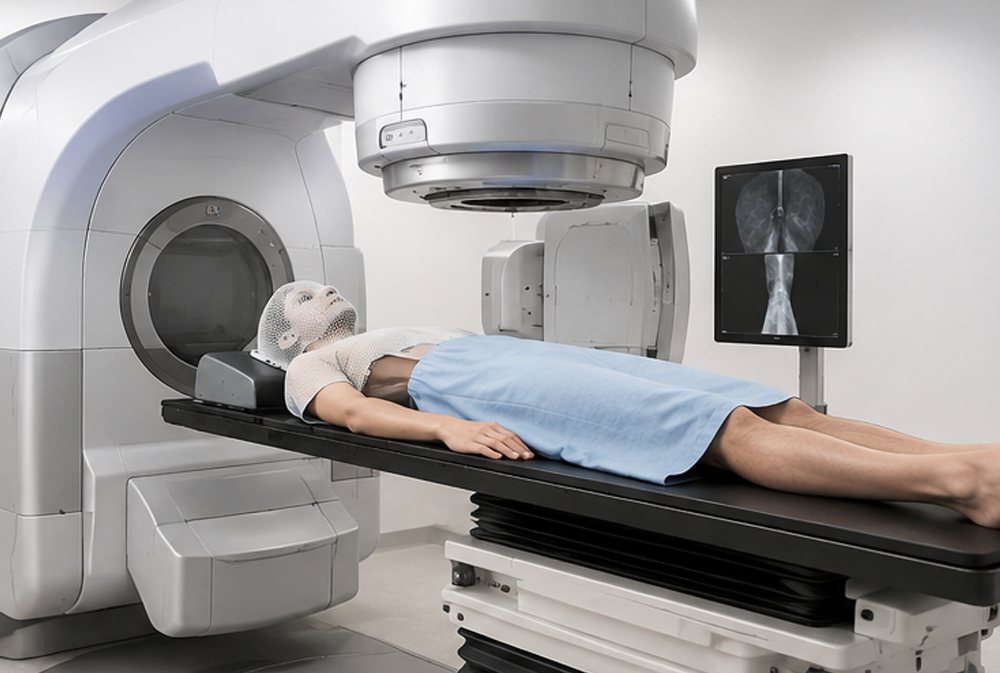
Image-Guided Radiation Therapy (IGRT) is an advanced radiation treatment technique that uses imaging technology during each treatment session to improve the precision and accuracy of radiation delivery. It ensures that the radiation is directed exactly at the tumor, even if its position changes slightly between sessions or due to body movement.
IGRT is commonly used for cancers in areas where organs may move, such as the lungs, liver, prostate, and abdomen. It is especially useful for tumors located near critical structures where high precision is required to avoid damage to healthy tissues.
Before each treatment session, imaging tools such as CT scans, X-rays, or cone-beam CT are used to verify the exact position of the tumor. If any shift is detected, the patient’s position is adjusted immediately before radiation is delivered. This real-time verification improves treatment accuracy and safety.
IGRT is often combined with other advanced techniques like IMRT or VMAT to further enhance precision. The treatment is painless, non-invasive, and performed in multiple outpatient sessions over a planned course of therapy.
Benefits of Image-Guided Radiation Therapy (IGRT)
- Ensures high precision in radiation delivery
- Adjusts for tumor or organ movement in real time
- Protects surrounding healthy tissues
- Improves treatment effectiveness and safety
- Reduces risk of radiation-related side effects
- Suitable for tumors in moving organs like lungs and prostate
Who Needs IGRT?
IGRT is recommended for patients whose tumors may shift due to breathing, digestion, or natural body movement. It is commonly used for prostate cancer, lung cancer, liver tumors, and abdominal malignancies.
Conclusion
Image-Guided Radiation Therapy (IGRT) is a highly accurate radiation technique that enhances treatment precision through real-time imaging. It plays a key role in modern cancer care by ensuring safe and effective tumor targeting while protecting healthy tissues.
FAQs – Image-Guided Radiation Therapy (IGRT)
Q1. Is IGRT different from regular radiation therapy?
Yes, IGRT uses imaging before or during each session to improve accuracy, unlike conventional radiation therapy.
Q2. Is IGRT painful?
No, IGRT is a completely painless procedure.
Q3. How long does each IGRT session take?
Each session usually takes 15–30 minutes, depending on imaging and treatment setup.
Q4. What cancers are treated with IGRT?
It is commonly used for prostate, lung, liver, and abdominal cancers.
Q5. Why is imaging important in IGRT?
Imaging ensures the tumor is in the exact position before radiation is delivered, improving safety and effectiveness.