Understanding Advanced Radiation Therapy and Its Role in Cancer Care
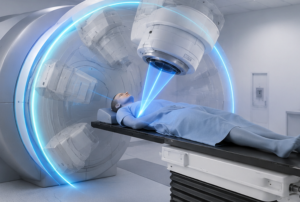
Radiation therapy is one of the most widely used and effective treatments in modern oncology. It uses high-energy radiation beams to target and destroy cancer cells by damaging their DNA, preventing them from growing and multiplying. Over the years, advancements in technology have transformed radiation therapy from a broad treatment approach into a highly precise and personalized form of cancer care.
Today, radiation therapy plays an important role in the treatment of various cancers and may be used as a primary treatment, after surgery to eliminate remaining cancer cells, before surgery to shrink tumors, or alongside chemotherapy to improve treatment effectiveness.
How Does Radiation Therapy Work?
Cancer cells grow and divide rapidly compared to most normal cells. Radiation therapy works by delivering controlled doses of radiation to the tumor area, causing damage to cancer cell DNA. While cancer cells have limited ability to repair this damage, healthy cells can often recover over time.
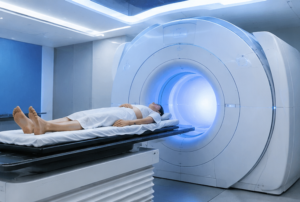
Before starting treatment, detailed planning is performed using advanced imaging techniques. This helps radiation oncologists precisely identify the tumor location, size, and surrounding critical organs, allowing treatment to be customized according to each patient’s condition.
Advanced Radiation Therapy Techniques
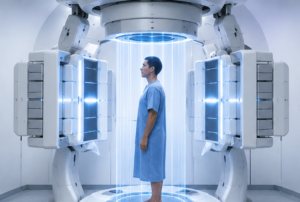
Modern radiation oncology has evolved with technologies designed to improve accuracy, safety, and treatment outcomes. Some advanced techniques include:
Intensity-Modulated Radiation Therapy (IMRT)
IMRT allows radiation doses to be adjusted according to the shape of the tumor, helping deliver higher doses to cancer cells while reducing exposure to nearby healthy tissues.
Image-Guided Radiation Therapy (IGRT)
IGRT uses advanced imaging during treatment to ensure accurate positioning and precise radiation delivery.
Volumetric Modulated Arc Therapy (VMAT)
VMAT delivers radiation while the machine rotates around the patient, allowing faster and highly targeted treatment.
Stereotactic Radiosurgery (SRS) and Stereotactic Body Radiation Therapy (SBRT)
These techniques deliver highly focused radiation doses to specific tumors, commonly used for selected brain, lung, liver, spine, and other cancers.
Benefits of Modern Radiation Therapy
With improved technology and treatment planning, radiation therapy today offers several benefits:
- Greater precision in targeting tumors
- Reduced radiation exposure to healthy tissues
- Personalized treatment plans based on individual needs
- Improved comfort and convenience for patients
- Better management of complex cancer cases
Radiation Therapy at Dr. Manoj Tayal’s Practice
Dr. Manoj Tayal is a highly experienced Radiation Oncologist specializing in advanced radiation treatment techniques. With extensive expertise in precision-based therapies including IMRT, IGRT, VMAT, SBRT, SRS, TBI, T-SET, and Brachytherapy, he focuses on delivering accurate and personalized cancer care.
Every patient’s treatment journey begins with detailed evaluation, advanced planning, and a customized approach designed around their specific diagnosis and overall health needs.
Conclusion
Radiation therapy continues to be a cornerstone of cancer treatment, offering effective solutions for many types of cancers. With continuous advancements in technology and expertise, modern radiation oncology provides patients with safer, more precise, and personalized treatment options.
Through a combination of innovation, experience, and compassionate care, advanced radiation therapy helps patients move forward with greater confidence during their cancer treatment journey.